Clean Concrete & Heavy Debris Guide


30YD_3D_Image_S_A_Container_Service-removebg-preview

Clean Concrete & Heavy Debris Guide

S&A Container Service

Quick Answer Summary

Clean concrete is typically disposed of in 10-yard or 15-yard dumpsters only due to weight restrictions. Clean loads are often priced at a flat rate, while mixed debris is charged by weight. In many cases, mixed masonry (concrete, brick, mortar, and dirt) can still qualify for flat-rate pricing, making proper material separation critical for controlling costs and avoiding overage fees

Why Concrete Requires Special Handling

Concrete is one of the heaviest materials you can place in a dumpster.


Even small amounts can exceed legal transport limits, which is why:

  • Smaller containers are required
  • Loads must be properly sorted
  • Disposal must follow recycling regulations

Because concrete is recyclable, clean loads are handled differently than mixed debris.


For a full breakdown of how container sizes relate to debris type and weight limits, see our Dumpster Size Guide.

Clean Concrete vs. Mixed Debris (Critical Difference)

A load is considered clean when it contains:

  • Concrete
  • Cement
  • Rebar (allowed)

Small amounts of dirt are acceptable

  • Up to ~10% dirt contamination is typically still considered clean

A load becomes mixed when it includes:

  • Wood
  • Sheetrock
  • Trash
  • Brick
  • Excess dirt
  • Other construction debris

These loads require:

  • Manual separation
  • Additional labor
  • Multiple disposal streams

 As a result, they are priced by weight (per ton)
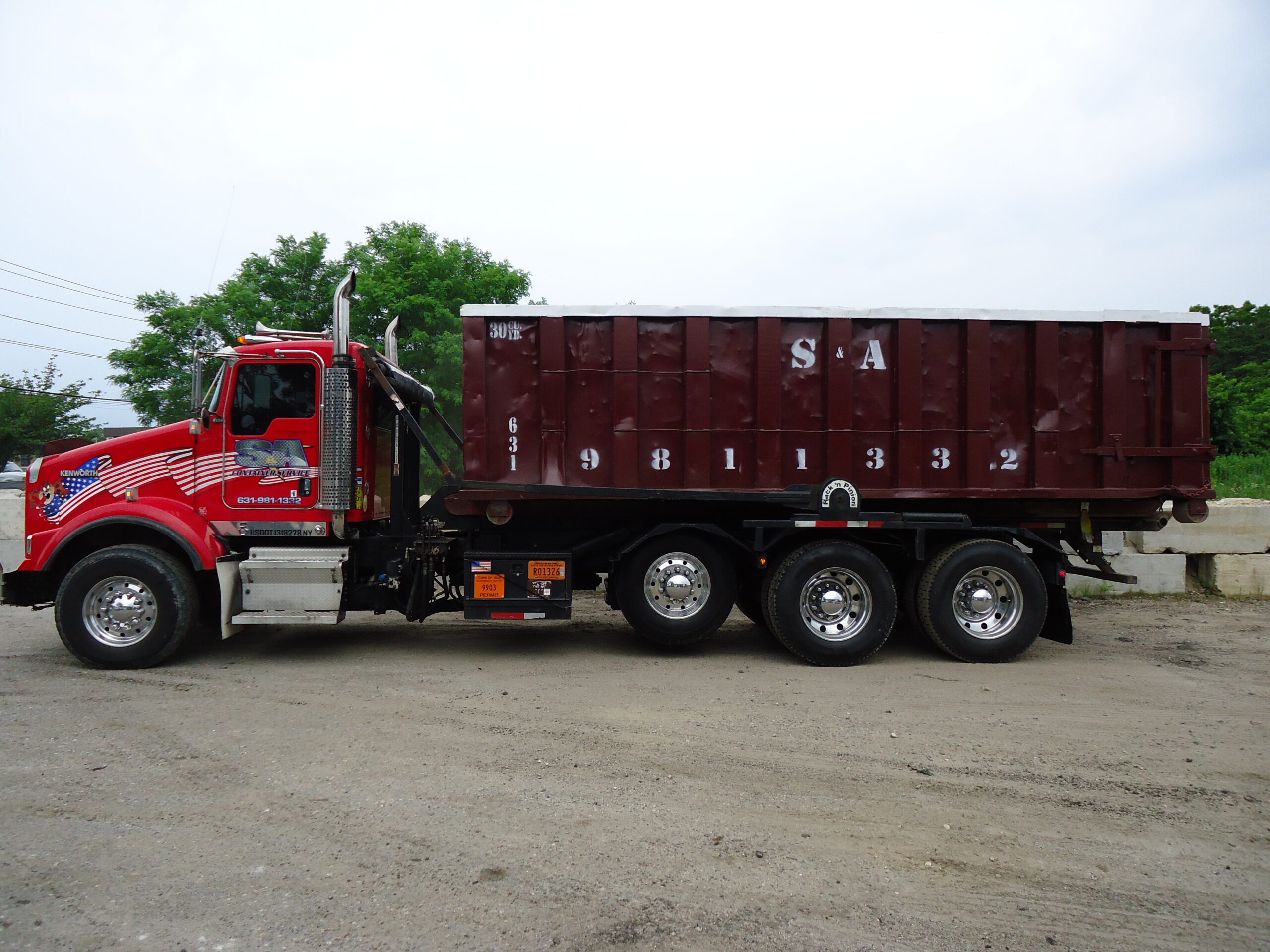
S&A Container Service 30YD Dumpster On Truck

Mixed Masonry Loads (Important Distinction)

Not all mixed loads are treated the same.


Materials such as:

  • Concrete
  • Brick
  • Mortar
  • Block
  • Dirt

…can be classified as a mixed masonry load.


For a broader overview of what materials are accepted and how they’re classified, see our Prohibited Items Guide.

These loads can often still qualify for:

  • Flat-rate pricing (by volume)

However:

  • Pricing is typically higher than clean concrete
  • But still more cost-effective than weight-based mixed debris

Trusted Dumpster

Rental Company

Trusted Dumpster Rental company

Why Weight Adds Up FAST (Critical Section)

Concrete is extremely dense:

  • 1 cubic yard of concrete ≈ 4,000 lbs (2 tons)

That means:

  • Just 2–3 cubic yards can reach legal weight limits
  • A dumpster can appear half full but already overweight

Understanding how weight is calculated and how overage charges apply can help prevent unexpected costs. For a detailed explanation, see our Dumpster Weight & Tonnage Guide.

Masonry vs. Mixed Debris Pricing Comparison

Load Type

Pricing Model

Cost Efficiency

Clean Concrete

Flat Rate

Lowest Cost 

Mixed Masonry

Flat Rate (Higher)

Moderate Cost

Mixed Debris

Per Ton (Weight-Based)

Highest Cost 

What This Means for Your Project

  • Clean concrete is the most cost-effective due to recycling
  • Mixed masonry is still manageable with flat-rate pricing
  • Mixed debris becomes expensive quickly due to per-ton charges

 Keeping materials separated can significantly reduce total project cost.


Projects that involve multiple types of heavy debris should be planned carefully to avoid mixing materials that increase disposal costs. According to our Roofing Dumpster Guide, keeping asphalt shingles separate from general construction waste is often the most cost-effective way to manage your site. 

Need Help Planning a Concrete Project?

Concrete disposal requires careful planning to avoid unnecessary costs.

Our team helps customers:

  • Choose the right container
  • Understand weight limits
  • Avoid overage charges
  • Schedule efficient removal

A quick conversation can save time, money, and frustration.

For a complete overview of dumpster rental logistics, regulations, and project planning, explore our full resource hub, Dumpster Rentals on the Island.

dumpster rental mastic ny

PRO TIP: Where Costs Get Out of Control

The most expensive mistake customers make is:


Mixing concrete into general construction dumpsters.


Example:

  • 1 cubic yard of concrete = ~4,000 lbs
  • Adding just a few yards into a mixed container can exceed weight limits instantly

If your dumpster includes 2 tons and you exceed that:

  • Additional weight is charged at approximately $140 per ton (prorated)

 Even 1–2 extra tons can add:

  • $140 – $280+ in overage charges

Understanding tonnage before loading is critical, especially when dealing with dense materials like concrete and masonry. For a more detailed breakdown of how weight is calculated and billed, see our Weight & Tonnage Guide

Use Case: Brick, Chimney & Masonry Removal

Chimney removals and masonry tear-outs often create confusion when it comes to dumpster pricing.

A typical chimney removal may include:

  • Brick
  • Mortar
  • Concrete components
  • Dust and debris

Even though these materials appear similar, they are typically classified as a mixed load rather than clean concrete.

This means:

  • Flat-rate pricing may not apply
  • Loads may be subject to standard weight limits and overage charges

Planning for a mixed debris dumpster and confirming material classification ahead of time helps avoid unexpected costs and delays.

When removing concrete (especially with equipment), some dirt mixing is unavoidable.


Acceptable:

  • Light dirt mixture (~10%)

 Not acceptable:

  • Heavy contamination (~30%+)

Once dirt exceeds acceptable levels:

  • The load is reclassified as mixed debris
  • Flat-rate pricing no longer applies
10YD Concete

Important Material Clarifications

Material

Classification

Concrete / Cement

Clean (recyclable)

Concrete with rebar

Clean

Dirt (<10%)

Still clean

Red brick

C&D debris (NOT clean)

Painted concrete

Typically mixed

Pavers (colored)

Typically mixed

Asphalt

Separate category

Brick & Masonry Weight Insight

Brick and masonry debris are significantly heavier than most customers expect.


1 cubic yard of brick can weigh approximately 2,000–2,700 pounds (1–1.35 tons) depending on moisture, mortar content, and material density.


Because of this, even a partially filled dumpster containing brick or chimney debris can quickly reach weight limits before it appears full.

A fully loaded dumpster of dense material can quickly exceed legal transport limits.


A 10-yard dumpster filled completely with concrete or brick can weigh 10–13+ tons, which exceeds safe hauling limits.


This is why heavy materials are typically loaded only partially and require smaller containers to stay within legal weight limits.

Recommended Dumpster Sizes for Concrete

Dumpster Size

Use Case

10 Yard

Standard for heavy concrete

15 Yard

Larger volume, controlled weight

20+ Yard

Not recommended for concrete

FAQ: Clean Concrete & Heavy Debris

No. Due to weight limits, concrete is typically limited to 10–15 yard containers.

Yes, concrete with rebar is still considered clean.

Up to ~10% is usually acceptable. Beyond that, it may be reclassified.

No. Brick turns the load into mixed debris.

Pickup may be delayed and overage charges will apply.

For larger projects:

 Best practice:

  • One dumpster for clean concrete
  • One dumpster for general debris

This:

  • Reduces cost
  • Prevents overweight issues
  • Improves efficiency

Proper placement and preparation, as outlined in the Delivery Preparation Guide, also play a role in safe and efficient removal. 

  • Keep concrete loads clean
  • Avoid mixing materials
  • Limit dirt contamination
  • Use proper dumpster size
  • Separate masonry from general debris
  • Plan for weight, not just volume

Homeowners often focus on space, while contractors prioritize:

  • Efficiency
  • Weight control
  • Load planning

Understanding tonnage helps:

  • Prevent delays
  • Reduce costs
  • Improve job-site workflow

For larger or recurring projects, contractor-focused solutions can improve efficiency and reduce downtime between hauls with our Commercial Dumpster Guide.