 sales@sacontainer.com
 631 648 9088



Start by listing what the project will produce. A driveway tear-out may generate concrete and soil; a chimney removal may include brick, mortar, and other construction debris. Those combinations matter because a receiving facility may handle clean concrete differently from mixed masonry or general construction waste.
Before requesting a dumpster, be ready to describe:
Do not assume different heavy materials can be combined in one load. Confirm acceptable materials and any separation requirements with S&A before work begins. For a deeper explanation of material categories and weight considerations, see the Clean Concrete & Heavy Debris Guide.
If your project involves removing a driveway, patio, foundation, or other concrete structure, explore our concrete dumpster rental options before scheduling delivery.

A larger dumpster is not automatically the better choice for heavy demolition debris. Concrete, brick, and masonry can reach a container’s permitted hauling weight well before the container looks full. The right option depends on the material, estimated load, available truck, placement conditions, and disposal arrangements.
S&A can help review the project and recommend a suitable container and loading plan. Smaller dumpsters are often practical for dense materials, but larger containers may be appropriate for certain jobs when load limits and hauling requirements allow. Ask about the permitted load, applicable pricing, and any overage or additional-haul charges before booking.
For projects involving concrete, masonry, or excavation debris, our 10-yard and 15-yard dumpster rental options may be worth considering, depending on the material and allowable hauling weight.
For more detail on how weight allowances affect rental costs, consult S&A’s Dumpster Weight & Tonnage Guide.
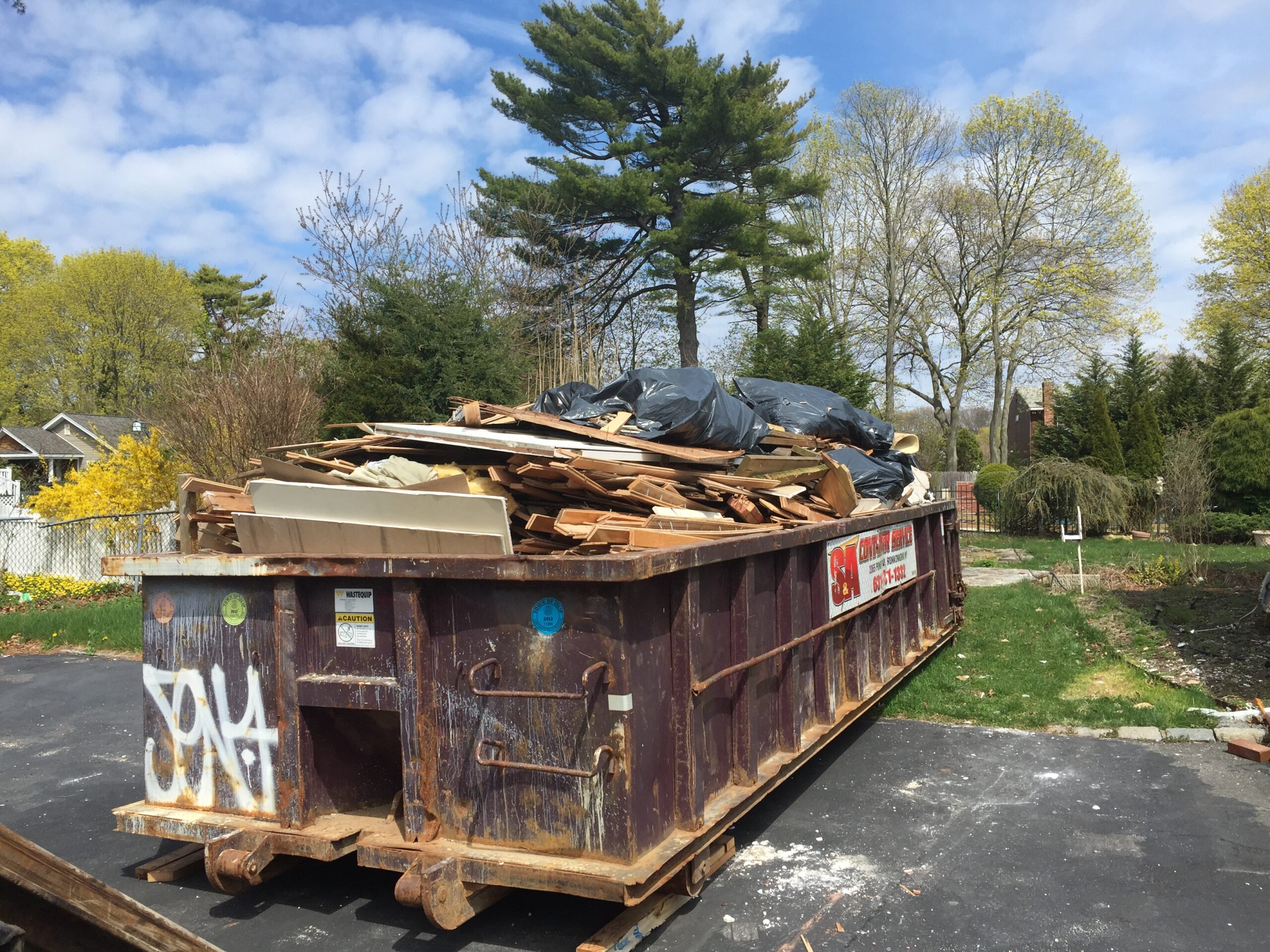
The best dumpster location is one the delivery truck can safely reach and the crew can use without disrupting the job. Before delivery, review the following with S&A:
S&A does have smaller-truck options for certain restricted-access deliveries, subject to the container, load, location, and equipment availability. Discuss access limitations in advance rather than assuming any size truck can fit.
A heavy-debris container should be loaded according to the hauler’s instructions and the agreed material and weight restrictions. Keep the loading area organized and do not place debris above the container’s permitted fill line.
Breaking or handling large demolition pieces involves its own safety risks. Follow the demolition contractor’s site-safety procedures; dumpster guidance is not a substitute for a qualified demolition or rigging plan.

On a larger demolition job, the timing of container removal can matter as much as the initial delivery. If the project will produce several loads, tell S&A early. The team can discuss whether to arrange successive containers, a swap, or a pickup schedule that fits the pace of work, subject to availability.
Before requesting pickup, confirm that loading is complete, the debris remains within the agreed limits, and the truck has unobstructed access. If the project runs longer than expected or you need another container, contact S&A before the planned pickup so rental terms and scheduling can be reviewed.
When planning a heavy-debris project, choosing the dumpster is only part of the equation. At S&A Container Service, we also consider how the material will be removed, where the container will sit, and how the work will progress.
These are the kinds of details we discuss with customers before delivery. A little planning can make a significant difference once demolition begins.
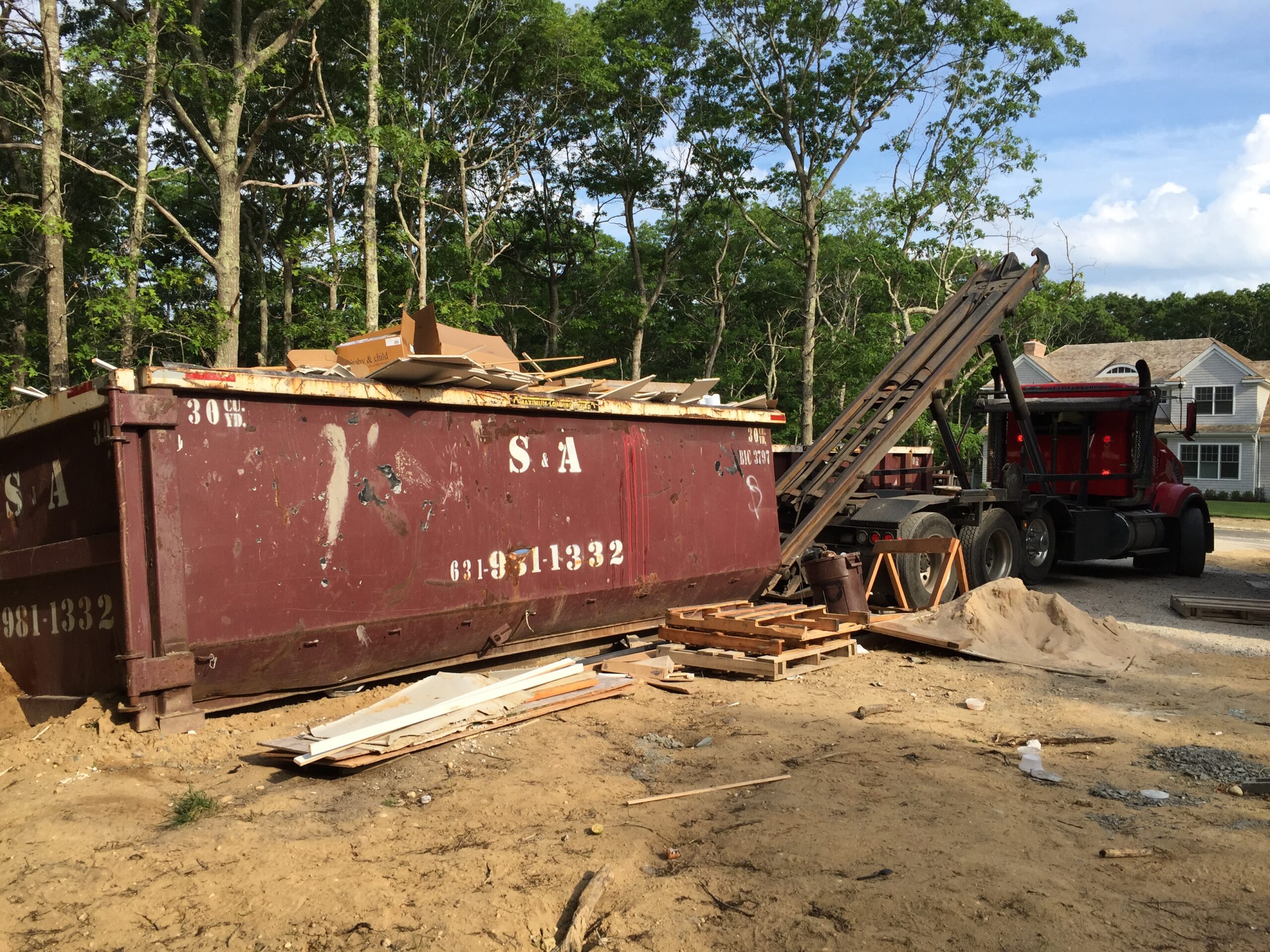
Clean concrete, soil, brick, and mixed demolition debris aren't necessarily handled at the same facilities or charged at the same rates. On some projects, keeping materials separate can meaningfully reduce disposal expenses.
A dumpster positioned close to the work area can reduce unnecessary travel with a skid steer, excavator, or wheelbarrow. But the location must also provide sufficient access for the delivery truck and eventual pickup.
Contractors removing substantial amounts of material may need several loads hauled throughout the project. Coordinating those exchanges in advance can help keep debris moving without unnecessary interruptions.

A restoration project at a historic home in Bayport required different dumpster arrangements for general construction and demolition (C&D) debris, excavated soil, and concrete removed during foundation work. Rather than treating everything as one waste stream, S&A helped the customer match containers and placement to each phase of the job.
Project and location: Restoration of a historic home in Bayport, Long Island, including excavation and partial concrete foundation removal.
Materials and challenge: The site generated general C&D debris, clean concrete, excavated soil, concrete foundation material mixed with dirt, and a smaller amount of brick. Heavy equipment needed convenient access to containers without unnecessary movement across the property.
We supplied 30-yard dumpsters for general C&D debris and separate 10- and 15-yard containers for heavy materials. The 30-yard containers were staged away from the active work area, while the smaller heavy-debris containers were positioned closer to excavation and removal activities. That arrangement let equipment load nearby containers and reduced unnecessary travel across the property. We also helped the customer decide which material belonged in each container, based on the applicable disposal arrangements.
The project generated three 10-yard loads of clean concrete and four 15-yard loads of excavation soil. A small quantity of brick was also removed. After comparing the disposal options for that material, S&A determined it would be less expensive on this job to place the brick in a 30-yard C&D dumpster rather than combine it with the concrete or soil loads. Mixed heavy-material loads can be subject to different, sometimes higher, disposal charges.
Separate heavy materials from general C&D whenever the job and receiving facility requirements call for it. The right combination of container sizes and placement can support safer hauling, limit unnecessary equipment movement, and help control disposal costs. Soil is especially dense: 15 cubic yards can weigh roughly 15 tons depending on moisture and composition, so container capacity must never be confused with allowable hauling weight.
Learn more about heavy debris disposal, container selection, and preparing your job site for dumpster delivery.
Not automatically. Acceptance and pricing depend on the exact material combination and the receiving facility. Describe the full load to S&A before delivery so the appropriate disposal arrangement can be confirmed.
Concrete often requires a carefully controlled load because of its weight. S&A can help determine an appropriate dumpster and permitted load based on the job; there is no single container size that fits every concrete project.
Surface protection may help manage certain placement risks, but it cannot guarantee against damage. Discuss the driveway material, ground conditions, and any protection arrangements with S&A before delivery. Do not place boards or mats without coordinating with the hauler.
Yes. Concrete recycling yards accept concrete containing rebar or wire mesh, so reinforced concrete can generally be loaded into a clean concrete dumpster. You do not need to remove every piece of steel reinforcement before loading. Keep the load limited to approved concrete materials, and let S&A know if there are unusually large pieces or exposed steel that could create loading or hauling issues.
Wet soil can weigh substantially more than dry soil, potentially increasing hauling costs or making a load too heavy to transport safely. Let S&A know if the material is saturated or if heavy rain is expected. Ask about appropriate load limits and whether covering the container is practical and permitted for your job site.
If the dumpster will be placed on a public street, curbside area, or other public property, contact the authority responsible for that location before delivery to confirm whether a permit or approval is required. Private-property placement may avoid a street-use permit, but other site-specific restrictions can still apply. Share the exact placement location with S&A when arranging delivery.

 Business Hours: 7am-9pm, 7 Days a Week


