SA Container Site Logo Black

Need help? Talk to an Expert

631-648-9088

Recycling & Material Separation Services

S&A Container Service

How Sorting Construction Debris Can Lower Disposal Costs

Separating materials before they go into a dumpster can make a significant difference in disposal costs. Clean concrete, masonry, dirt, scrap metal, and other recyclable materials may qualify for different disposal rates when kept separate from general construction debris. S&A helps customers choose the right containers and disposal facilities based on the materials being removed.


S&A Container has been sorting and routing material with dumpster rentals on Long Island long enough to know which facility takes what, and what it costs when the load shows up wrong.

What Our Recycling and Material Separation Service Includes

We deliver containers sized and designated for specific material streams, then coordinate where each load goes based on what is inside it. Before we drop anything, our team asks what you are doing, what is coming out of the building, and whether splitting the material into two containers will cost you less than one mixed box.


Material we regularly handle and route for recycling and material separation:

  • Clean concrete, brick, block, and masonry from demolition, patios, foundations, and sidewalk replacement
  • Dirt and excavation material from pool digs, footings, and grading work
  • Roofing shingles and tear-off debris, including nails, underlayment, and flashing
  • Scrap metal, cardboard, and clean wood from builds, remodels, and commercial accounts
  • Mixed construction and demolition debris that cannot practically be separated on site
  • Household junk from basement, garage, attic, and estate cleanouts
  • Commercial garbage and food waste from businesses, including supermarket chains we service with compactors

Commercial garbage and food waste fall under our broader waste service rather than our recycling streams, and we handle those on regular scheduled routes. For jobs where separation is not realistic, mixed loads are sorted by the receiving facility, subject to what that facility accepts and how it processes the material.

dumpster

How Separation Saves Money on a Real Job

A customer recently called about one container for a project that included a concrete tear-out plus general construction debris. We recommended two containers instead: one for clean concrete going to a concrete recycling facility, one for the rest.


The two containers came to roughly $1,400. Mixing everything into a single box would likely have run past $2,000, and he picked up about five more cubic yards of usable space in the process. His exact words were, “You’re the first person to tell me this, and it makes way more sense.” He booked both. Actual savings depend on the type and weight of the materials, container requirements, transportation costs, and receiving-facility rates. Separating materials is not always cheaper, which is why we review each project before recommending multiple containers.


That conversation takes about four minutes on the phone and it happens on most of the quotes we write. Clean material has a home at a recycling facility. Mixed material goes to a transfer station and gets billed by weight.


s&a dumpster

Trusted Dumpster

Rental Company

Trusted Dumpster Rental company

Contamination Rules That Change Your Price

One wrong item can move a load from a recycling facility to a mixed debris transfer station, and the pricing follows it. A pool company building a new pool needing to rent a 15-yd dumpster for excavated dirt and put brick in with it. The price changed, though the load could still go to a concrete recycling facility because both materials are inert.


Had wood or other construction debris been mixed into that dirt, the load could have been rejected by the intended facility and redirected to a transfer station accepting mixed debris, where disposal is typically charged by weight. With heavy materials like dirt, that can significantly increase disposal costs.


Materials we cannot accept in any container include paint, solvents, motor oil, tires, batteries, propane tanks, asbestos, contaminated soil, refrigerants, and medical or hazardous waste. Our disposal rules lists the full set of restrictions, and the EPA’s guidance on sustainable management of construction and demolition materials explains why clean streams get recycled at far higher rates than mixed ones.

Weight Versus Volume: The Part Customers Cannot See

You can look at a pile of debris and estimate the space it takes up. You cannot look at it and estimate the weight, and the disposal industry charges for both.

Two cubic yards of concrete or bathroom tile with mud bed flooring barely covers the floor of a container and can still weigh several thousand pounds. Ten cubic yards of basement and attic junk fills much more of the box and weighs a fraction of that. Most surprise charges on an invoice trace back to that gap.

The type and weight of the material are important factors when selecting a dumpster. S&A considers both when recommending the appropriate container size, helping customers plan for disposal costs and avoid unnecessary overweight charges.

dumpster rental mastic ny

How Much Does One Cubic Yard of Debris Weigh?

Material

Approx. Weight per Cubic Yard

Approx. Tons

Broken Concrete

2,500–3,500 lbs

1.25–1.75

Dirt / Excavated Soil

2,000–3,000 lbs

1.0–1.5

Brick & Masonry Rubble

2,000–3,000 lbs

1.0–1.5

Crushed Stone / Gravel

2,400–3,000 lbs

1.2–1.5

Ceramic Tile & Mud-Bed Flooring

2,000–3,000 lbs

1.0–1.5


These figures are estimates only. Actual weight varies with moisture, material composition, and how the container is loaded. S&A recommends dedicated 10-yard or 15-yard containers for approved heavy materials, with the final size determined by the type and estimated weight of the load.

LEED and Recycling Documentation

For projects requiring recycling documentation, S&A can provide available records from the facilities receiving the material. This includes residential and commercial projects pursuing LEED certification or other recycling and waste diversion requirements.

If your project requires this documentation, please let us know when booking so we can make the appropriate disposal arrangements. 

dumpster rental

Frequently Asked Questions

Usually it costs less, and on one recent job two containers came to about $1,400 versus an estimated $2,000-plus for a single mixed load. Clean concrete and masonry go to recycling facilities with the yard fees, while mixed debris gets charged by weight at a transfer station.

Clean concrete means concrete, concrete block, concrete pavers and masonry with no wood, metal, plastic, trash, or soil mixed in. Small amounts of rebar are often acceptable depending on the facility, so tell us what is in the load before delivery.

No, and mixing them is one of the costliest errors we see. Dirt alone goes to a clean fill or concrete recycling facility, but add wood or trash and the entire load becomes mixed debris billed by the ton.

Most swaps on active job sites happen within one business day, and same day service is often possible when we are called early. Roofing and demolition crews running multiple containers get priority scheduling.

Paint, solvents, motor oil, tires, batteries, propane tanks, asbestos, contaminated soil, refrigerants, and medical or hazardous waste are prohibited in every container we place. These require licensed handling, and we can point you toward the right disposal channel.

We owned and operated a waste transfer station for more than a decade. That meant handling recycling, material processing, inbound contamination, disposal economics, and state reporting requirements daily, and we still use that experience on every quote.


What that experience buys you:

  • Facility relationships across Long Island, so we route each load by material type, facility acceptance rules, distance from your job site, and tip cost
  • Multiple swaps on active sites, with responsive delivery and removal when a box fills faster than planned
  • Flexible rental arrangements for phased demolition, long builds, and seasonal roofing work
  • A real person who asks about your material before quoting a size

Our goal is to identify potential disposal costs before delivery, help customers choose the most practical container arrangement, and avoid unnecessary expenses caused by mixing incompatible materials.

General contractors, demolition companies, concrete and excavation contractors, commercial property managers, and homeowners running larger renovations make up most of our separation work. Roofing contractors are a steady part of it too, since tear-offs run most of the year and shingle loads are heavy enough that container sizing matters every single time. 


Our roofing dumpster rental service pairs directly with shingle disposal and residential dumpster service. Our construction dumpster rental and commercial dumpster rental options cover the rest of the job site. Read our roofing dumpster rental service guide to prepare every step of the way. 


We also provide commercial cardboard recycling and compactor service for retail and supermarket accounts, which keeps high volume fiber out of the trash stream and off your floor.

Get a Quote for Sorted Containers

Tell us what you are tearing out and we will tell you how to split it, what size containers fit the weight, and what the disposal will realistically cost. Call S&A Container Service and we will price your material separation services before the first load leaves the site.

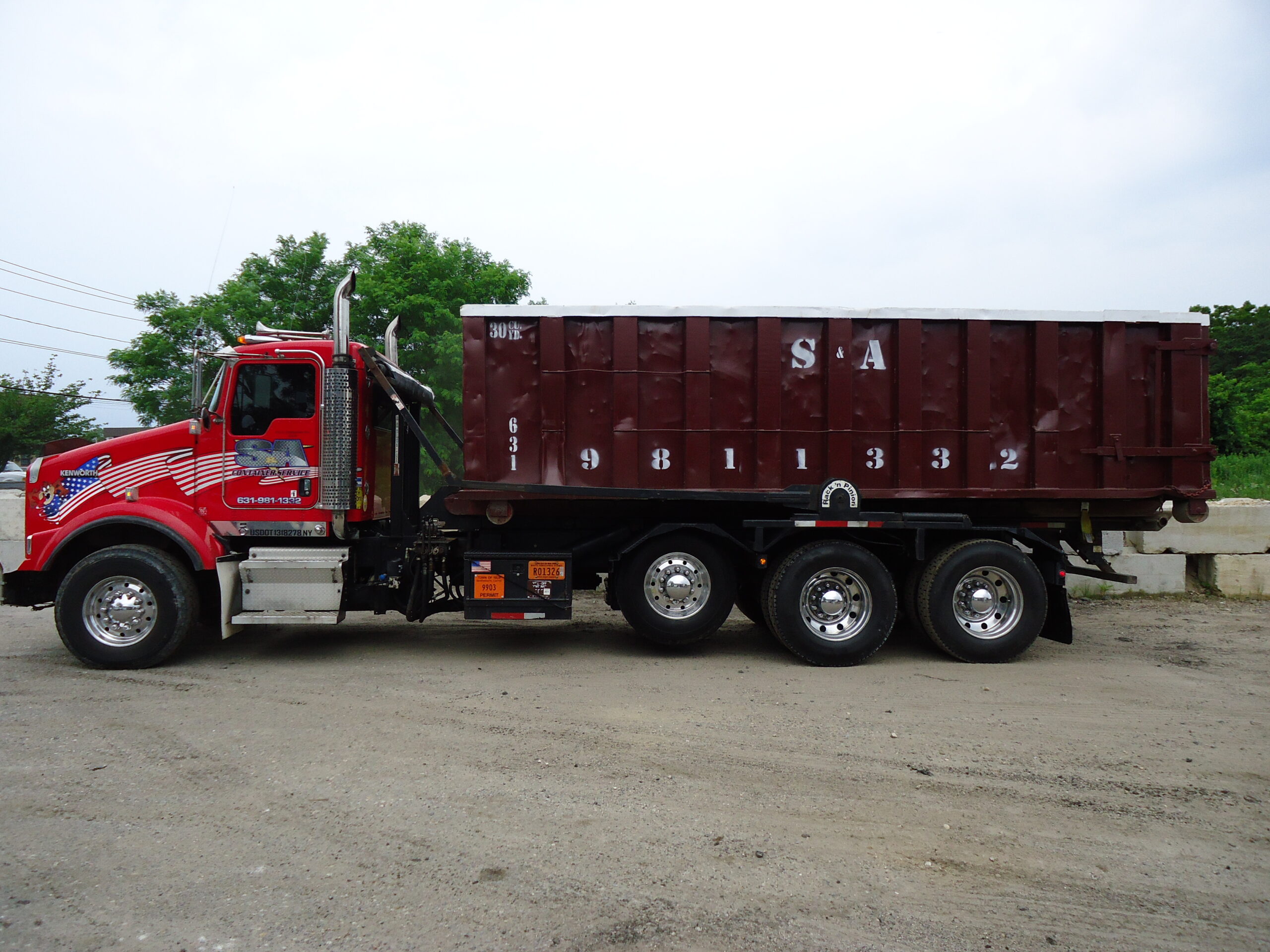
S&A Container Service 30YD Dumpster On Truck