 sales@sacontainer.com
 631 648 9088


Renting a dumpster should make your cleanup or construction project easier—not create unexpected disposal problems when the container is picked up.
What you put into a dumpster matters just as much as choosing the right size. Waste disposal facilities have material acceptance requirements; certain items must be handled separately, and overloaded containers can create transportation safety concerns.
The good news? Most disposal problems can be avoided with a little planning before your dumpster arrives.
This guide explains how local disposal requirements affect dumpster rentals in the area, which materials may need separate handling, and where to find responsible disposal options.
For a detailed breakdown of restricted materials, visit our Prohibited Items & What Can't Go in a Dumpster Guide.
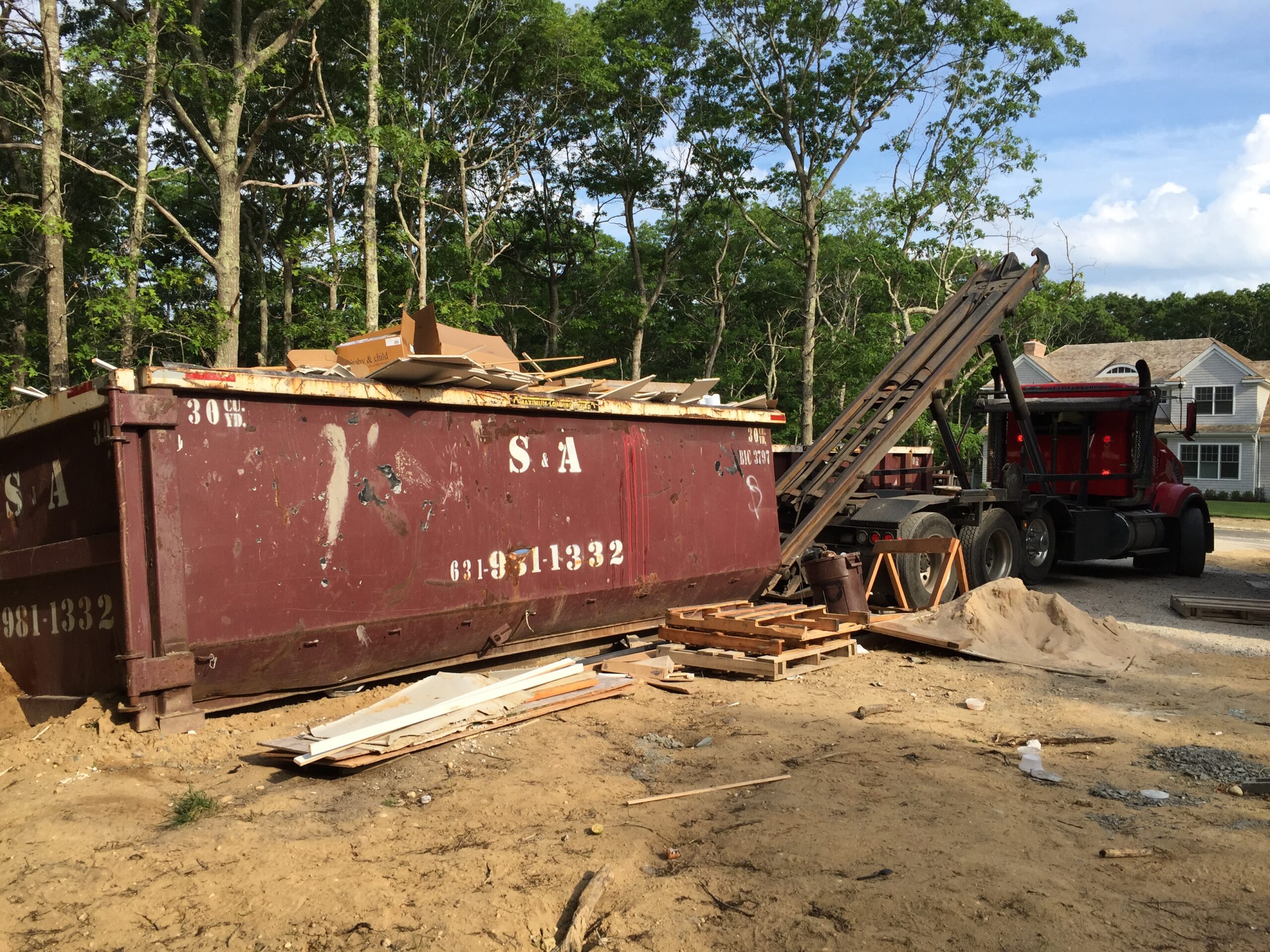

The local island’s waste disposal system has undergone significant changes, particularly with the closure of the Brookhaven landfill. With landfill disposal no longer available at that facility, waste must be directed through other approved disposal channels. Depending on the material, that may mean processing at a waste-to-energy facility, recycling or sorting at a local transfer station, or transportation off the island for disposal.
For customers seeking dumpster rentals on Long Island, this makes proper material separation and choosing the appropriate receiving facility especially important. Different facilities accept different waste streams, and sending materials to the wrong location can result in rejected loads, additional handling costs, and unnecessary delays.
Our area relies heavily on underground aquifers for its drinking water. Improperly discarded chemicals, solvents, motor oil, pesticides, and other hazardous substances can threaten groundwater and the surrounding environment.
Keeping these materials out of ordinary dumpsters is an important part of responsible waste handling.

After a dumpster is picked up, its contents may be transported to a transfer station, recycling facility, waste-to-energy facility, or another authorized processing location.
Items such as pressurized cylinders, flammable liquids, and certain batteries can create serious safety hazards during handling, compaction, and processing.
Waste facilities establish acceptance requirements partly to protect workers, equipment, and the surrounding community.

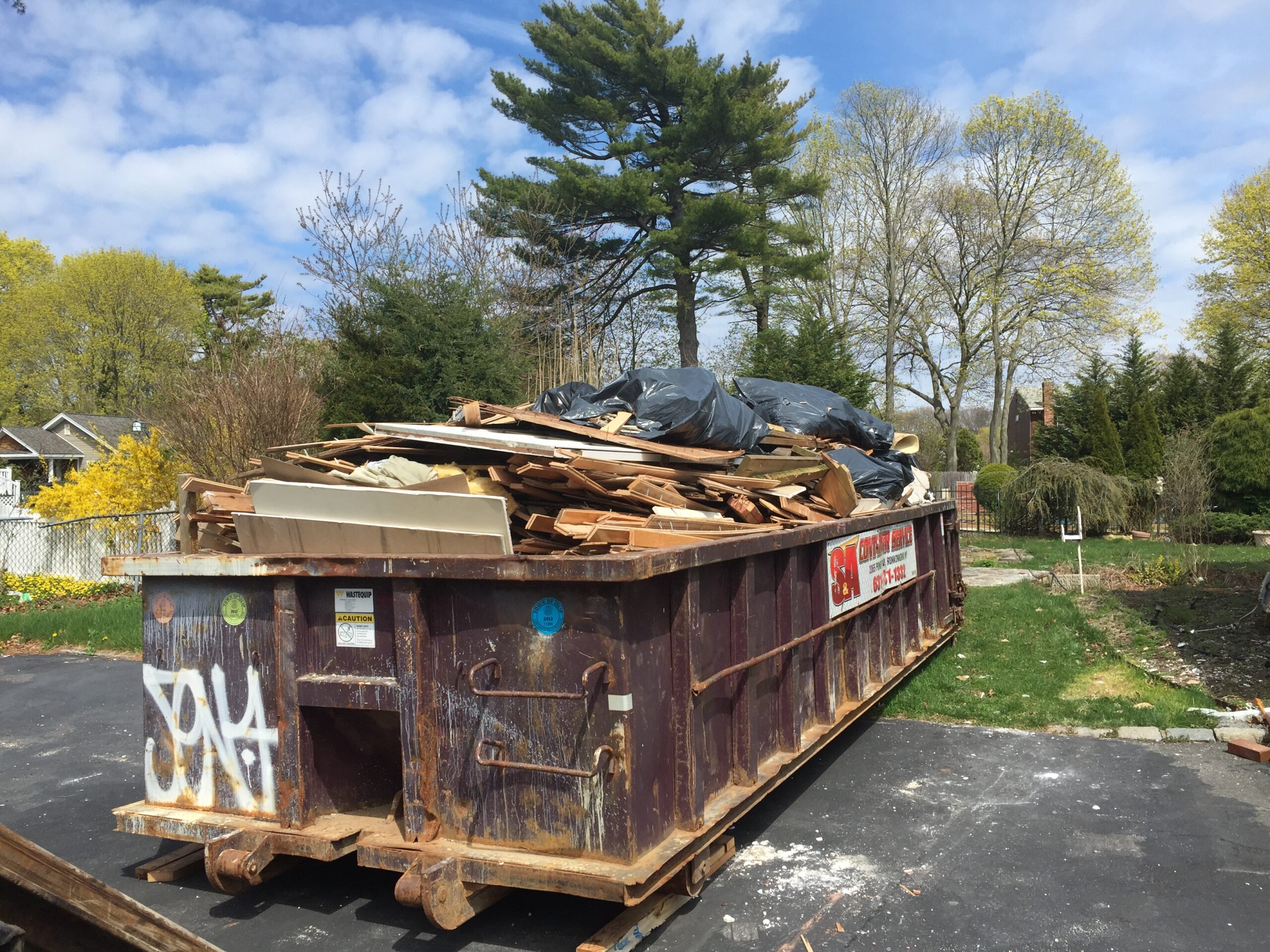
A dumpster that is too heavy or filled above its top edge may not be safe to transport.
Even when a container has room left inside, dense materials such as concrete, brick, dirt, and stone can cause it to reach its allowable hauling weight.
That's why choosing a dumpster based on both material type and weight, not simply cubic-yard capacity, is so important.
Our Dumpster Weight & Tonnage Guide explains how material weight affects rental planning.
Most customers are focused on getting their debris removed. But what happens after pickup can affect the rental process and final disposal cost.
Three common problems are worth understanding before loading begins.
If a dumpster contains materials the receiving facility does not accept, the load may require additional sorting, special handling, or an alternative disposal arrangement.
Depending on the material and circumstances, additional charges or delays may result.
Before starting a major cleanout, identify anything unusual and ask S&A about it.
A container filled with ordinary construction debris may be handled differently from one containing clean concrete or soil.
Mixing material streams can affect recycling options, receiving-facility acceptance, and disposal costs.
For example, a project involving demolition debris, concrete, and excavated dirt may benefit from separating those materials rather than placing everything into one container.
Our Clean Concrete & Heavy Debris Guide explains the differences and how to plan for heavy loads.
A dumpster filled above its top edge may be difficult or unsafe to secure for transportation. Excessive weight can also prevent a container from being hauled safely.
Customers should keep debris level with or below the container's top edge and discuss unusually heavy materials before loading.
Choosing a dumpster that's too small can create another expensive problem: having to remove excess debris and arrange for an additional container.
A recent S&A Container Service customer experienced firsthand why selecting the correct dumpster size matters.
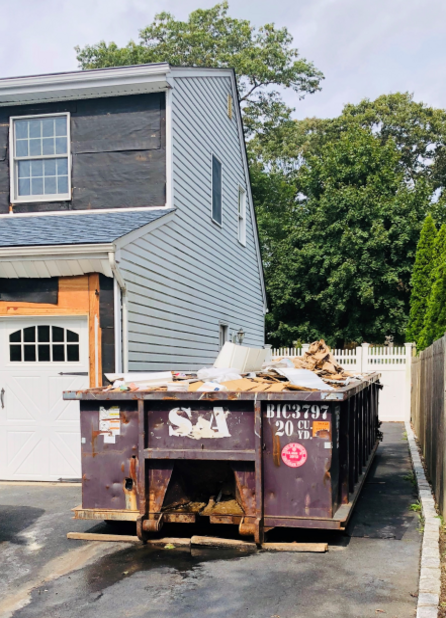
The customer ordered a 20-yard dumpster but loaded debris approximately four feet above the top of the container. At that height, the dumpster could not be safely secured and transported.
The customer had to spend additional time removing the excess debris before the original container could be hauled away. A second dumpster was then needed to accommodate and remove the material that had been offloaded, resulting in an additional rental expense.
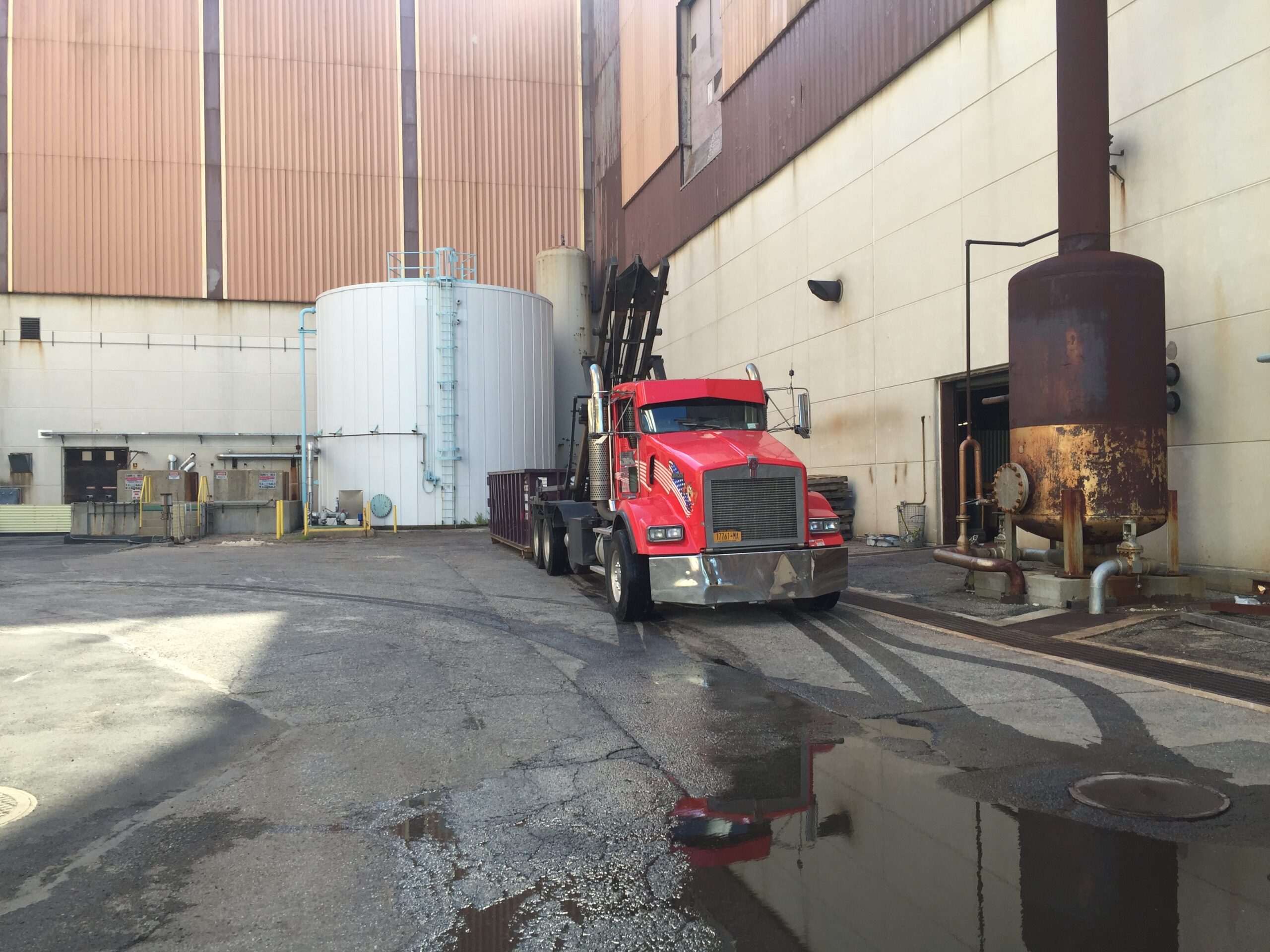
Choosing a dumpster that's too small can end up costing more than renting the appropriate size from the beginning. In this situation, a 30-yard dumpster would have been the better initial choice.
When estimating your debris volume, consider not only how much material you expect to remove but also how it will fit inside the container.
If you're deciding between a 20-yard dumpster and a 30-yard dumpster, contact S&A before ordering so we can help you evaluate the best option for your project.
Not every restricted material is handled the same way. Some require separate recycling or hazardous-waste collection, while others may be accepted through a specialized dumpster arrangement.
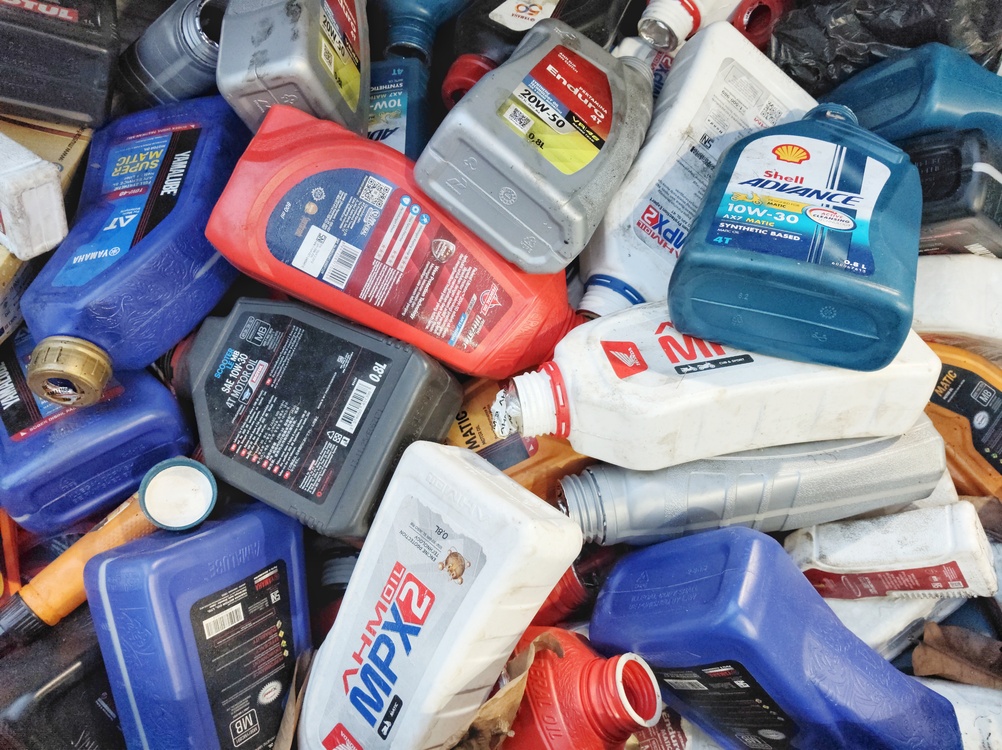
Liquid paint, paint thinner, solvents, gasoline, kerosene, pesticides, and similar materials should not be placed into a standard dumpster without specific approval.
These materials may leak, react with other waste, or create hazards during transportation and processing.
New York also has a statewide paint-recycling program through PaintCare, offering designated collection locations for eligible leftover paint and coatings.
Even when latex paint has dried, customers should confirm acceptance requirements with S&A rather than assume every receiving facility treats it the same way.
Lithium-ion batteries can present fire hazards when damaged or crushed. Lead-acid batteries also require appropriate handling because of their hazardous components.
Computers, televisions, and certain other electronic devices are subject to New York State's electronic-waste recycling requirements and should be directed to approved recycling channels.
These materials should be separated from general cleanout debris before the dumpster is loaded.
Appliances containing refrigerants require special handling to ensure refrigerants are properly recovered before disposal or recycling.
Do not assume a refrigerator, freezer, or air conditioner can go into a standard dumpster simply because it fits.
Ask about the appropriate disposal method before loading.
Propane cylinders and other pressurized containers can remain hazardous even when they appear empty.
They should be handled through an appropriate collection or recycling program rather than placed in ordinary construction or household debris.
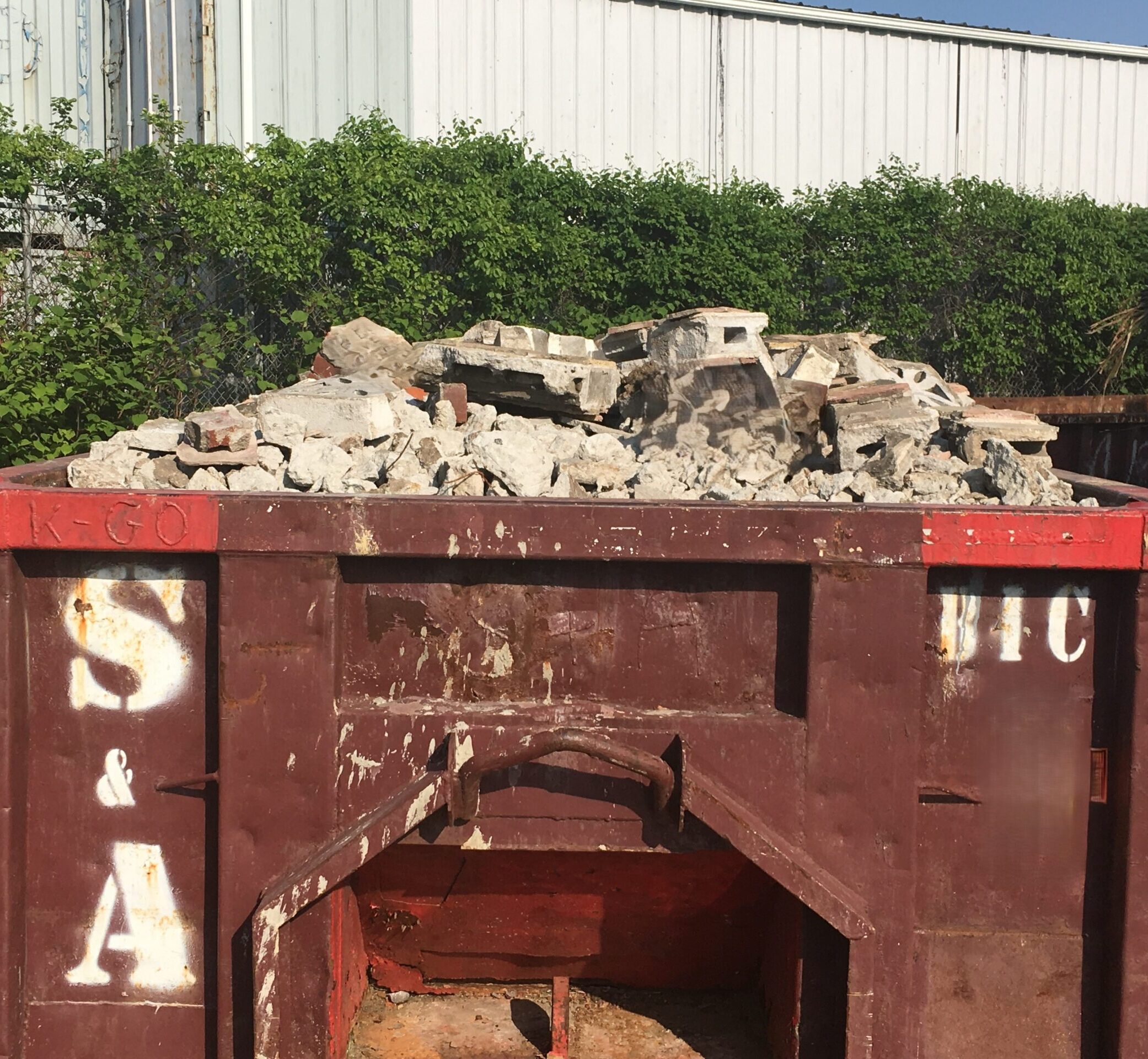
These materials are not automatically prohibited from S&A dumpsters.
In fact, S&A regularly helps customers arrange containers for concrete, dirt, masonry, and other heavy debris.
The key is matching the material to the correct container and disposal arrangement.
For example, a smaller container may be the appropriate choice for dense debris even when a larger dumpster appears more convenient.
If your project includes excavation, foundation removal, driveway demolition, or substantial masonry work, discuss the materials and estimated quantities before scheduling delivery.

Local residents have several alternatives for materials requiring special handling.
Before transporting materials to any facility, check its current rules, residency requirements, accepted items, and operating hours.
Your town's sanitation or environmental services department is also a useful starting point for local household hazardous-waste collection information.
The easiest way to avoid disposal complications is to identify your materials before scheduling a dumpster.
For a household cleanout, that may mean setting aside old paint, batteries, electronics, and chemicals before the container arrives.
For a renovation or demolition project, it may mean estimating the amount of concrete, masonry, dirt, and general construction debris separately.
For a commercial job, it may mean discussing unusual waste materials or coordinating multiple containers for different debris streams.
S&A Container Service helps customers throughout Nassau and Suffolk Counties select dumpsters based on the type of project, expected debris, container capacity, and hauling considerations.
Our goal is to help customers arrange the right container from the beginning rather than discover an avoidable disposal issue at pickup.
If you're still deciding which container to order, start with our Dumpster Weight & Tonnage Guide or explore our Residential Dumpster Rental Services and Commercial Dumpster Rental Services.
Learn more about restricted materials, local disposal requirements, and choosing the right dumpster for your project.
Depending on the material and receiving facility, a load may require sorting, special handling, or an alternative disposal arrangement. Additional charges or pickup delays may apply. Contact S&A as soon as possible if you discover a restricted item in your container.
Material separation is often preferable, especially when clean concrete can be directed to an appropriate recycling or disposal facility. Mixing materials may affect acceptance requirements and disposal costs. Discuss your project with S&A before combining heavy debris with general construction waste.
Many types of yard debris can be accommodated, but acceptance requirements may depend on the material and disposal arrangement. Large tree stumps, substantial logs, and soil should be discussed in advance.
Permit requirements depend on the municipality and placement location. Public streets and rights-of-way may require permission or permits, while private-property placements can still be subject to local rules. Check applicable requirements before scheduling delivery.
Keep all materials at or below the top edge of the container. Do not allow debris to extend above the sides. Heavy materials may reach safe hauling limits before the dumpster is physically full.
Contact S&A before loading it. Explaining the material and approximate quantity in advance is usually much easier than resolving a disposal issue after the container has been filled.

 Business Hours: 7am-9pm, 7 Days a Week


